

Deepika Salwankar

MMXXVI

One

I explain
complicated
things.

Mostly AI.

Mostly enterprise software.

Mostly for people who have exactly five minutes before an important meeting.

Before this I fixed teeth. Turns out both jobs involve reducing pain.

Things I've helped people understand

Botanical plate — Polypodium vulgare
Portrait of Deepika Salwankar
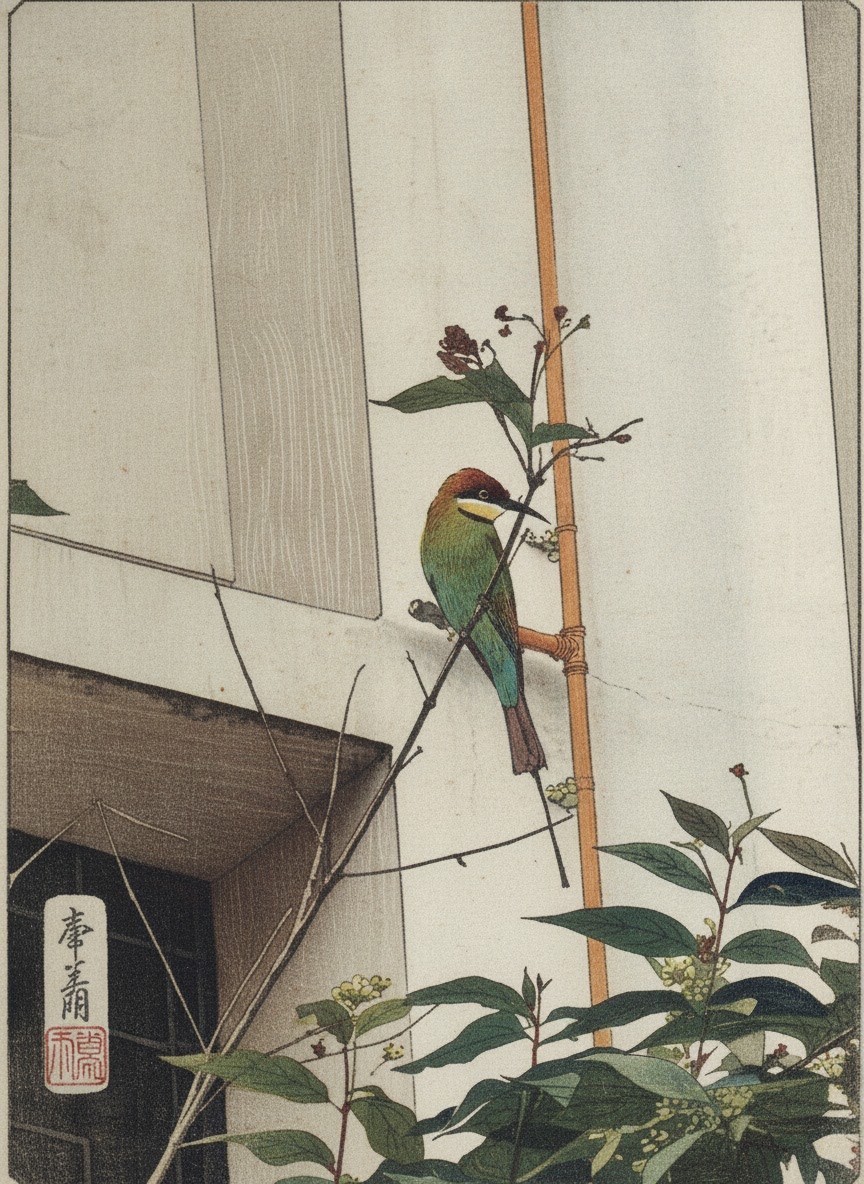
Woodblock print — bird perched among leaves.
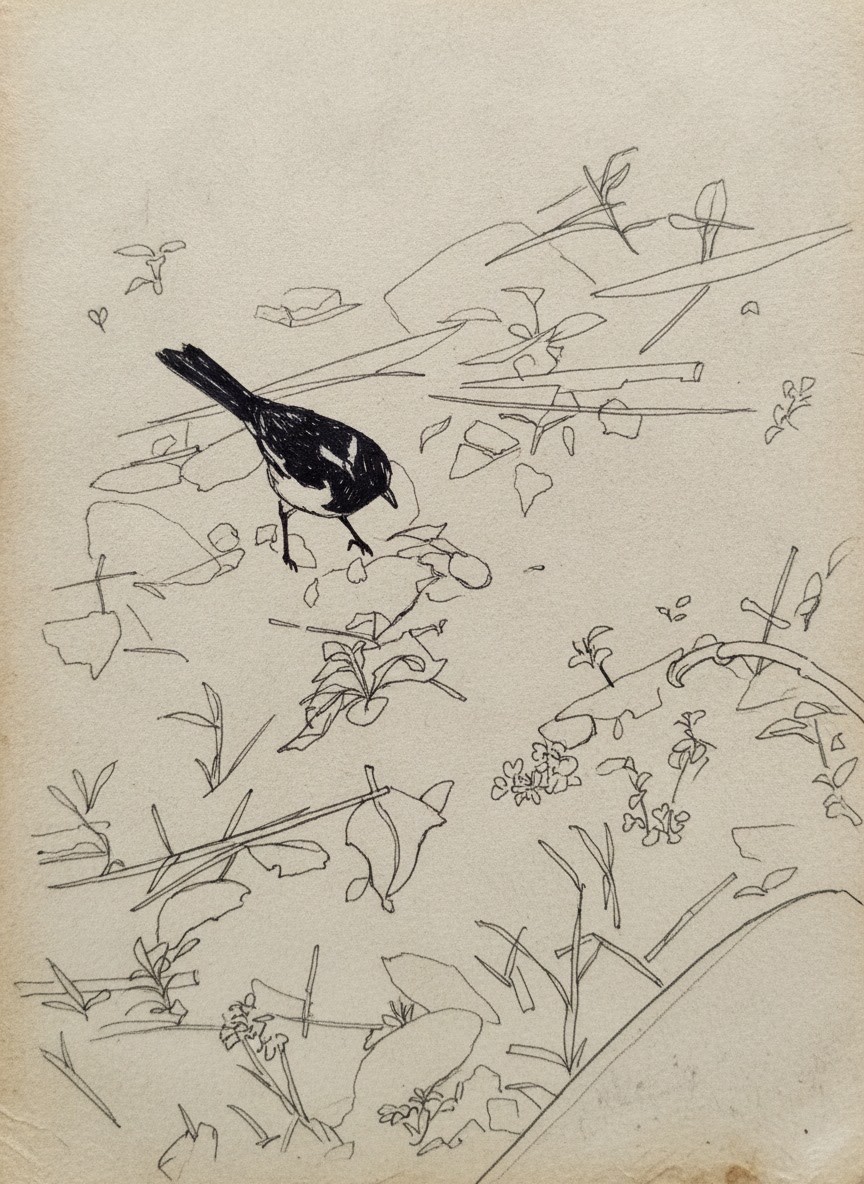
Pencil drawing — white-throated kingfisher.

the buyer's morning
is the story.

Plate i

Two

How I got
here.

I became a dentist because I loved understanding systems. Eventually I realized I cared more about why people make decisions than how teeth worked.

Marketing turned out to be the perfect excuse to study psychology, technology, business and storytelling — all at the same time, without having to pick.

Over the last twelve years I've launched AI products, rebuilt websites, argued over positioning, rewritten messaging until it finally sounded human, and spent an unreasonable amount of time researching markets.

“Most enterprise software isn't difficult because it's technically complicated. It's difficult because nobody explains it properly.”

— from a working note, undated

That's my favourite part. The gap between what a product actually does and what a buyer thinks it does — that's the interesting room. That's the room I work in.

A good explanation is not simplification. It is a translation between two people who both think they are being clear and both, privately, are not.

Today I work where product, research and storytelling overlap.

Three

Things I've
built.

Same structure every time — problem, discovery, thought, change, outcome — because that is how the work actually happens.

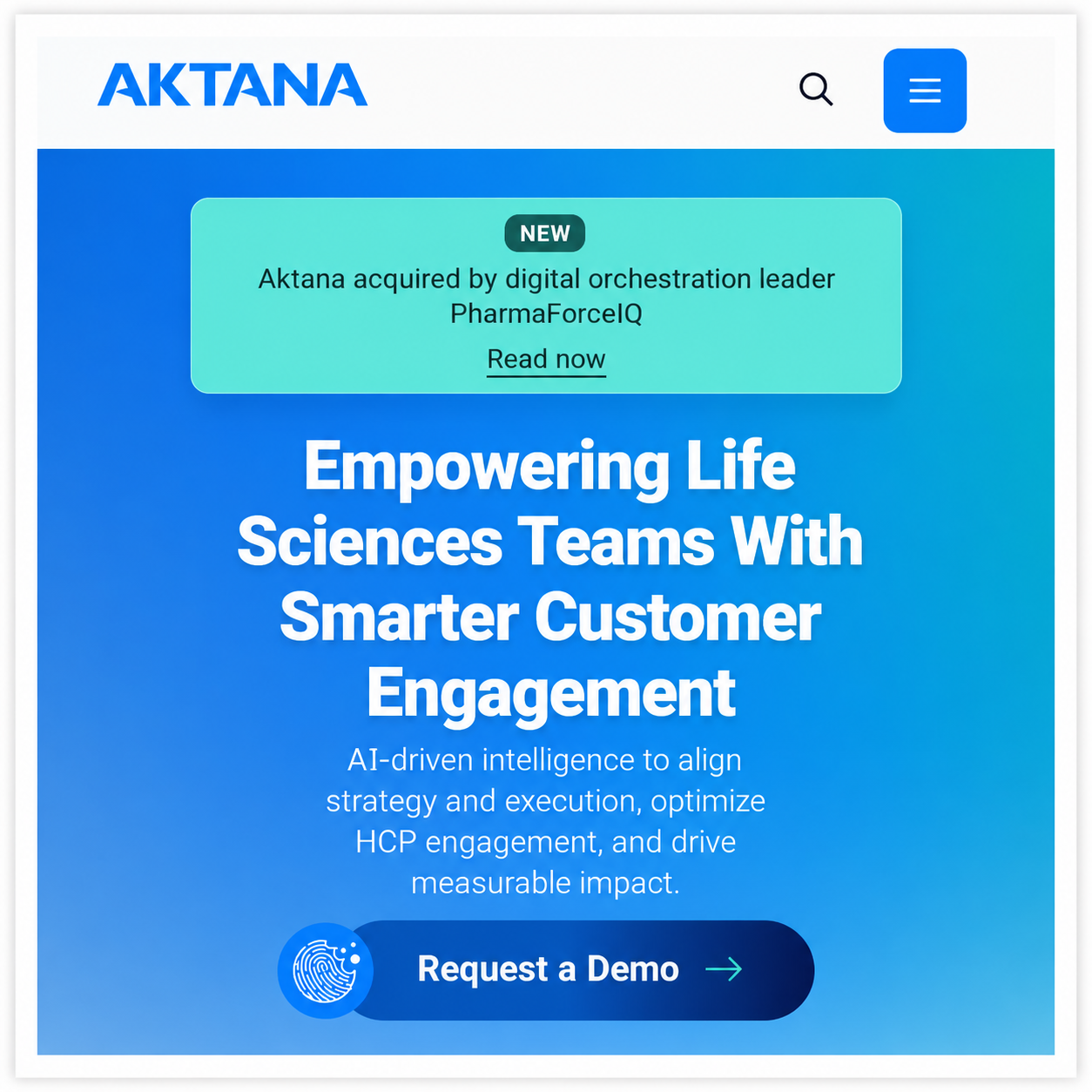
Aktana Website
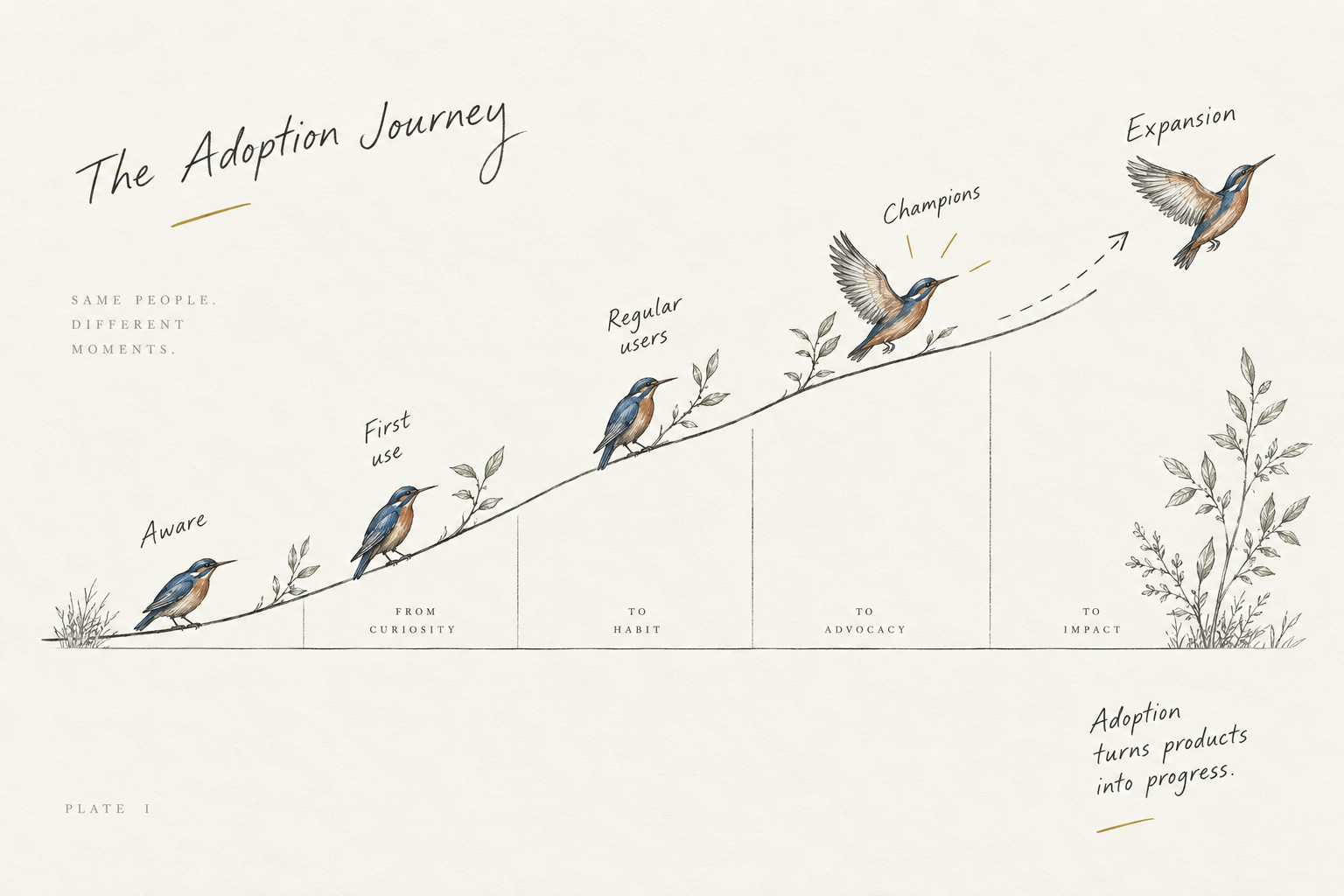
Aktana.com homepagePlate I

I.

Aktana Website.

Everyone in pharma had decided they were agentic. Every competitor site said the same thing. None of them explained how, and none of them said what it would actually do for the buyer.

Problem
The site talked about the technology in depth. Product owned the messaging, not marketing. So the site explained model architecture to commercial leads who did not care about model architecture. Features, not outcomes.
What I discovered
Nobody in the interviews could tell me what the product did. Not one person. They could describe the meeting where they wished it existed. I went through the competitor sites and found the same gap. They said agentic. They did not say how, and they did not say what changed as a result. That was the part my buyers wanted.
How I thought
Build the site around the meeting, not the machine. Every page had to answer a question a buyer had already asked out loud, in the words they used. If I could not attribute a sentence to someone, it came out.
What I changed
New site, new narrative, all copy rewritten around three commercial roles. Cut sixty per cent of the pages. Kept one page on product architecture and gave it to product to write. The rest of the site ran on the commercial story, the same one we were already using in the ABM campaigns.
Business outcome
Qualified pipeline from the website up 3.4×. Sales stopped opening calls by explaining what the product did.
Category Creation. Tact.ai
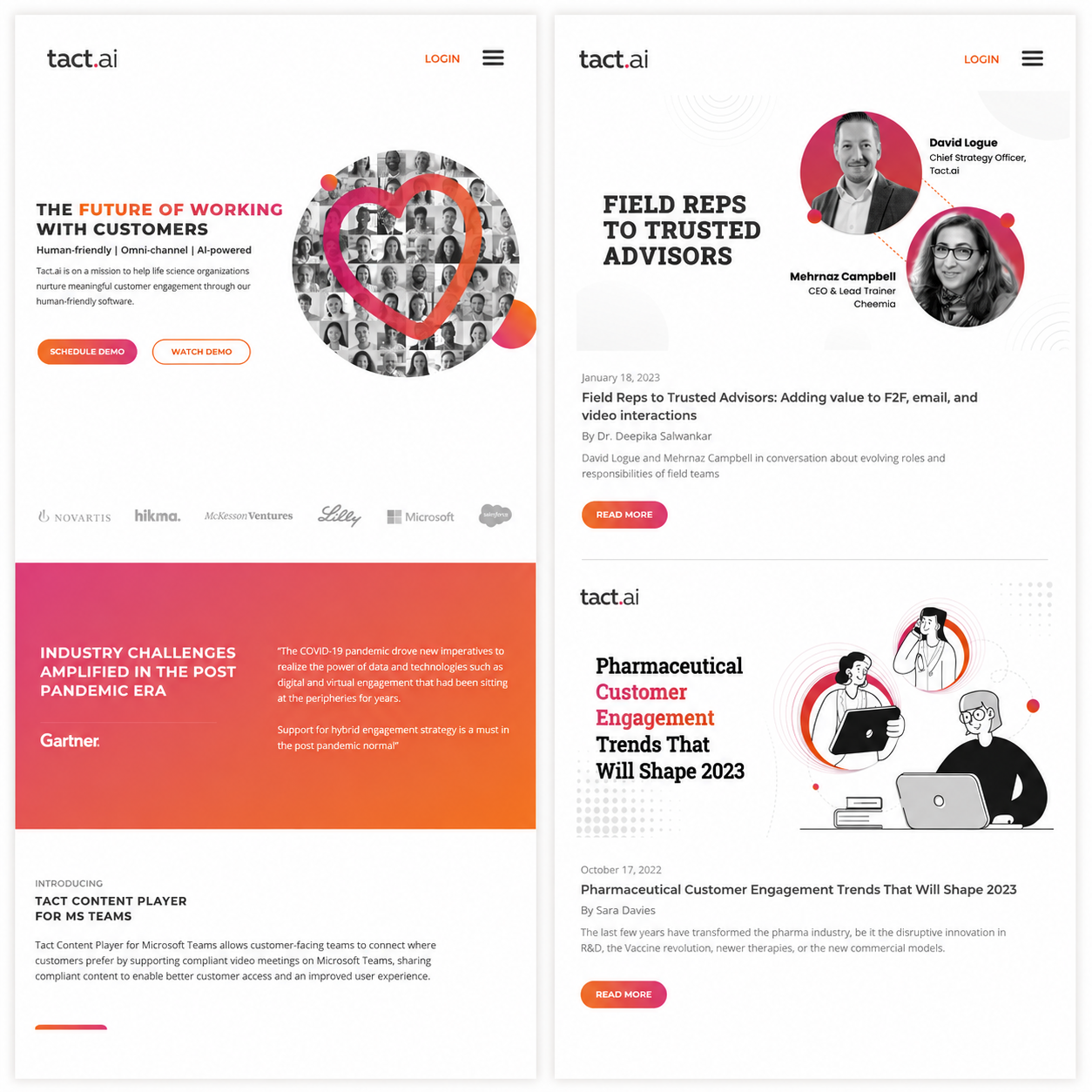
Tact.ai — pharma customer engagementPlate II

II.

Category Creation. Tact.ai.

Tact.ai was built on conversational AI and agentic capability, aimed at a broad market. We pivoted and focused on pharma exclusively. The problem was that pharma customer engagement did not exist as a category. It sat inside Veeva and Salesforce, and if a buyer wanted it, they searched for Veeva.

Problem
Buyers wanted this. They did not know how to ask for it. The tools they already had were built as process systems, not for CX, and they did not give field teams the right insight at the right moment, which is where the last mile of pharma engagement actually happens. There was a want with no words attached to it and no category to put it in.
What I discovered
This was a positioning problem before it was anything else. I fixed the positioning in a deck, which was the easy part. The harder part was that nobody was talking about the problem anywhere the buyer would encounter it. The deck could not do that work. The narrative had to exist in public.
How I thought
Engineer the narrative and then put it everywhere the buyer looks. Website, blogs, event stages, all running the same argument. Not a content calendar. A single position, published repeatedly, until the words were ours and the search results agreed.
What I changed
Rebuilt the website narrative around the category. Ran the blog as the argument rather than as SEO filler, and it earned the search authority anyway. Rewrote the event narratives to carry the same position. Backed all of it with customer stories, because a category with no proof is a claim.
Business outcome
Number one on search for pharma customer engagement. Recognised as a category within a year. Gartner and Everest coverage. Inside eight or nine months competitors were running similar names and similar product pages, which is the clearest signal you get that you have become the blueprint.
Account-Based Marketing. Aktana
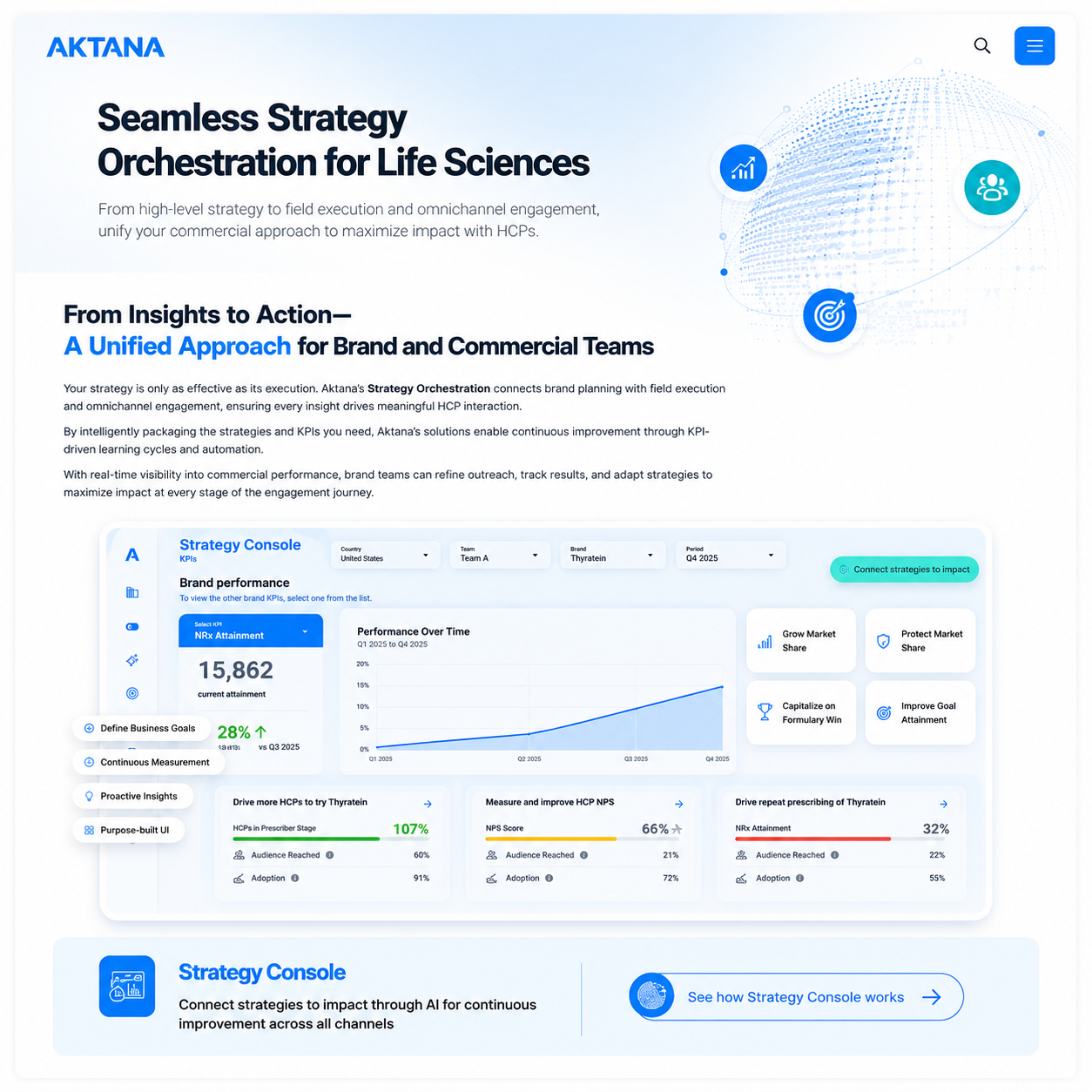
Aktana Strategy OrchestrationPlate III

III.

Account-Based Marketing. Aktana.

Two product launches run as one ABM motion. A field tool for last-mile engagement, and a strategy and orchestration tool for the people running the campaign from the top. Twenty accounts, twelve at the centre. The field tool was the way in. The strategy tool was the deal.

Problem
We were spreading marketing across a market where a handful of accounts held most of the meaningful revenue. And we had two products aimed at two very different buyers, which is usually how you end up marketing both badly. The sales library had grown by accumulation: assets nobody used, decks that had outlived their argument, battlecards that had been written once and never opened again.
What I discovered
Two levels of research, and both were necessary. Account level: what each account was trying to do, who inside it cared, and what they needed to hear. Industry level: the competitive and partner landscape, product line by product line, across Salesforce, IQVIA, Veeva and the rest. That second layer told me where we genuinely competed and where we could sit alongside an incumbent instead of fighting it. That distinction became the message.

The sequencing came out of the same research. The field tool solved a problem someone could feel this quarter, so it opened the door. The strategy tool was what a senior business buyer needed to see their campaign performance end to end, and that was the enterprise conversation. Leading with the strategy tool would have meant asking for the enterprise decision before we had earned it.
How I thought
Lead with the narrative the account already has, then map the product to it. Land with the field tool, expand into the strategy tool. If an asset did not serve one of the twenty accounts, it had no reason to exist, so it went.
What I changed
Built account-specific narratives and mapped each to the product we wanted to lead with. Deleted the sales library and rebuilt it in Showpad from scratch. New battlecards. Full competitive enablement, including where to partner rather than displace. The same programme drove the pharma event strategy, so the field and the stage were running one argument instead of two.
Business outcome
Nine pilots on the field tool and one enterprise deal on the strategy suite, inside a single sales cycle, in a market where that cycle usually runs six to twelve months.
IIM Bangalore Women’s Startup Programme
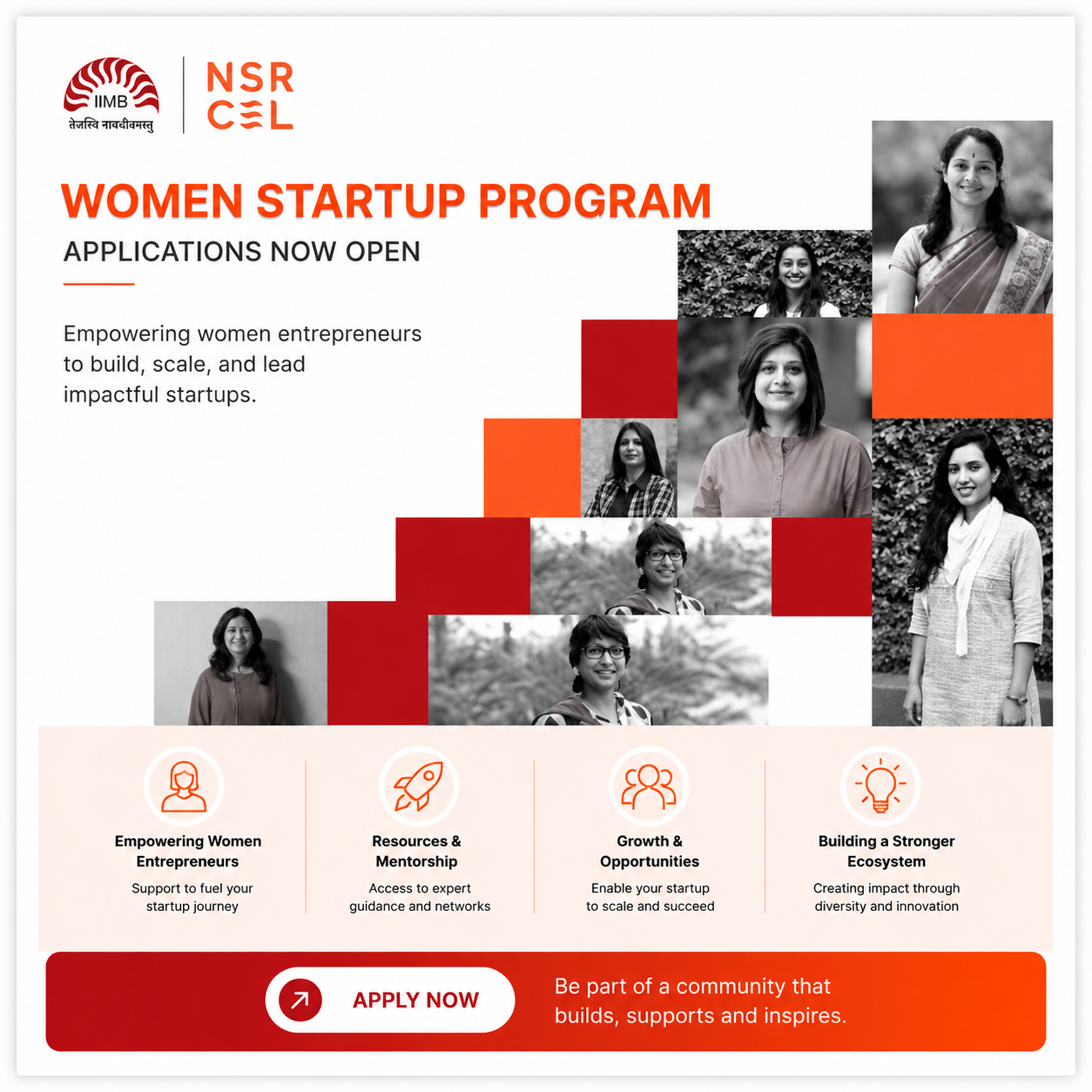
NSRCEL — Women Startup ProgrammePlate IV

IV.

IIM Bangalore Women’s Startup Programme.

A national startup programme that had always been run by hand. We won IIM Bangalore as a client and decided the entire competition would sit on our platform instead. Product-led growth with an event as the front door. It took us from a thousand users to twenty-seven thousand in three months.

Problem
The programme was manual. Applications, screening, cohort management, all of it. No product existed for this because nobody had run a startup competition of that size on a platform before. And a competition is a one-time event. If people applied and left, we had bought traffic, not growth.
What I discovered
I ran discovery the same way I would for any product. Interviewed every stakeholder who had run the programme by hand: the people screening applications, the people managing cohorts, the people chasing incomplete forms. Nobody had a clean answer for how the process worked. Everyone owned a fragment of it, and the fragments did not fit together. I mapped what they actually did against what they said they did, found the gaps, and turned that into a real process. Then prototyped it, took the prototypes back to the same people, and rebuilt where they told me I had it wrong. That process became the product, and the friction points I found in discovery became the onboarding.
How I thought
The application is the acquisition channel. The product has to do the retention. Ten thousand women were going to arrive on a platform most of them had never used, and the difference between a spike and a user base was whether the product gave them a reason to come back after they submitted.
What I changed
Owned product development end to end: roadmaps, prototypes, worked with the tech team through build. Then owned adoption on the other side. Onboarding flows, in-product usage prompts, and product tips sent to ten thousand applicants as they moved through the funnel, all of it aimed at getting them into the platform rather than past it.
Business outcome
Ten thousand women applied through the programme. Platform users went from roughly a thousand to twenty-seven thousand in three months. Women entrepreneurs on the platform at real scale for the first time.

Four

Notebook.

The lead

Essay one — 4 min

Why every AI company sounds identical.

A short investigation into what happens when a category grows faster than its vocabulary. Includes a partial glossary, one apology, and a modest proposal.

Read the essay

A note arrives when a new piece is finished. No marketing, no schedule, no unsubscribe drama.

Email

Room VI

Selected remarks · on the record

LinkedIn ↗

"Deepika has a gift for taking highly technical or abstract concepts and making them accessible, engaging, and relatable."

WL

Whitney Labonte

Growth Marketing Strategist & Leader · Worked with Deepika at Aktana

01 / 04Rotating exhibit

Last page

If you've made it this far, we'll probably enjoy working together.

I'm looking for senior product marketing leadership roles where curiosity matters as much as execution.

If you're building something ambitious, I'd love to hear about it.

Currently

What I'm up to, right now.

Hobbies

Birdwatching, crochet, Pokémon, concerts, and handmade crafts.

On the desk

Currently reading Women's Work: The First 20,000 Years — Women, Cloth, and Society in Early Times by Elizabeth Wayland Barber.

Readings · this quarter

  1. 01The Savage Mind — Claude Lévi-Strauss
  2. 02The Molecule of More — Lieberman & Long
  3. 03Isles of the Emberdark — Brandon Sanderson
  4. 04The Strength of the Few — James Islington
  5. 05The Last Contract of Isako — Fonda Lee
  6. 06Mortedant's Peril — RJ Barker

Colophon

Set in Cormorant Garamond and IBM Plex Mono. Printed on paper that does not exist.

Deepika S.

Deepika Salwankar · MMXXVI · fin